- A compilation of links to other Nike Herc sites
- Annual Service Practice Nike Hercules In CRETE
- Barracks for Nike Hercules Missile
- Current Conditions of D 2 1 Nike Hercules Missile site
- Delta 2 1 ADA Video
- Dichtelbach, Germany
- Honoring the D 2 1 ADA Veterans
- Nike Hercules Missile integrated Fire Control Area
- Nike Hercules Missile System
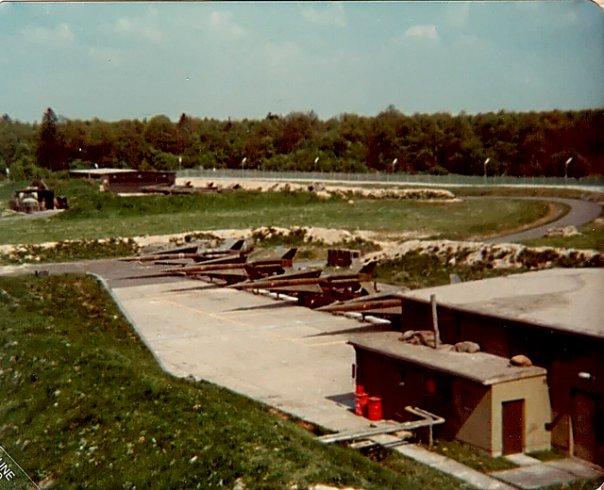
- Nike Hercules Missile System Launcher Area
- Off duty time for Nike Hercules Missile Soldiers
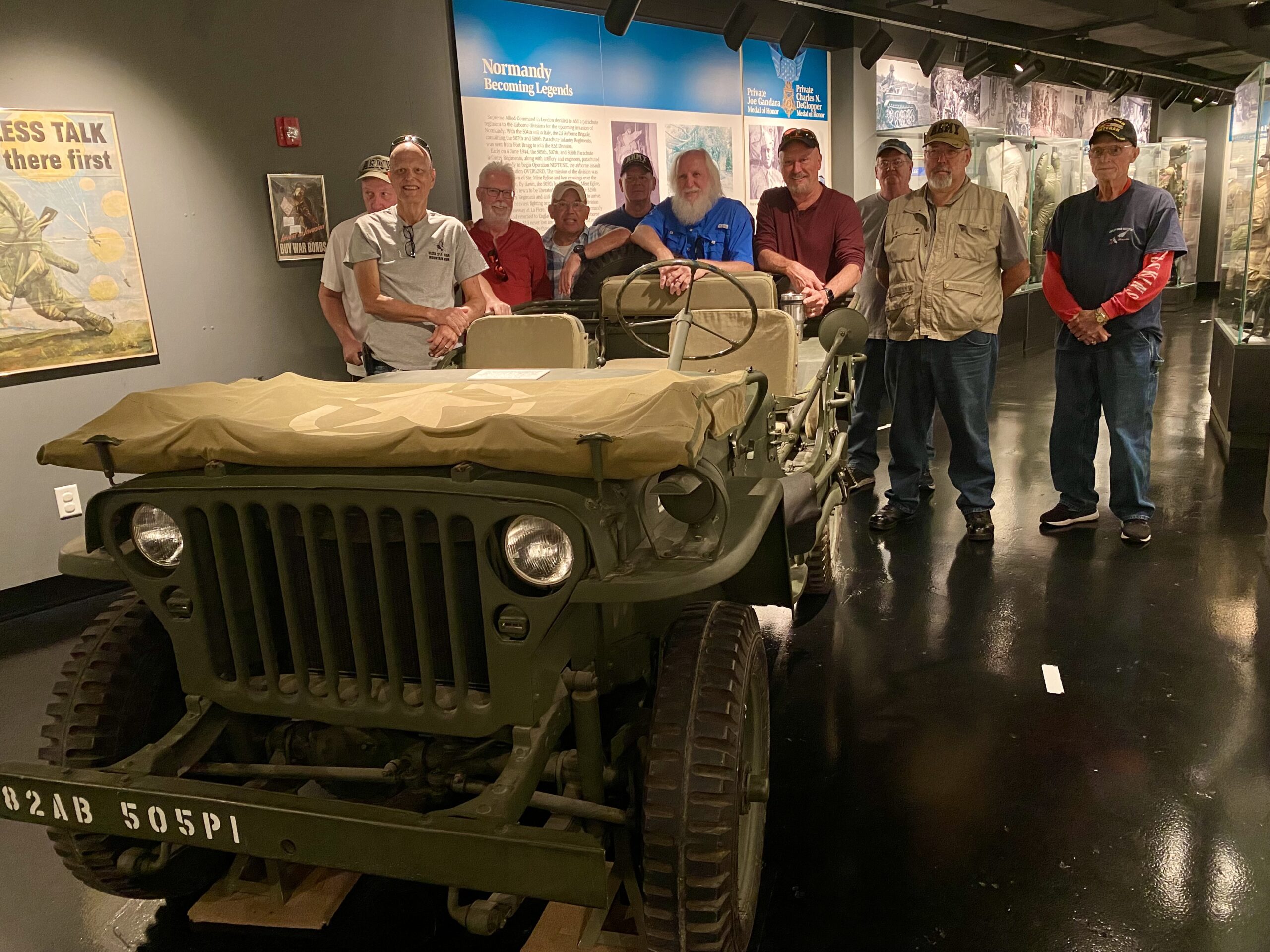
- Reunion of the Mountain Men
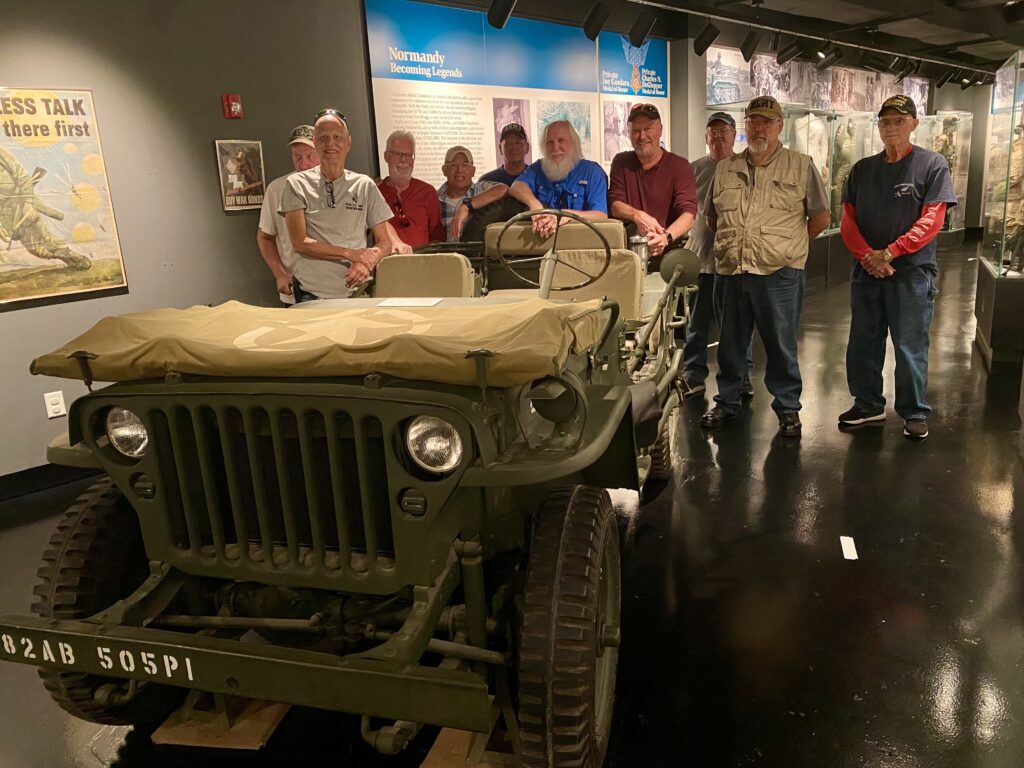
D 2 1 ADA website is a veterans’ memorial and history website dedicated to the U.S. Army’s Delta Battery 2/1 ADA (Air Defense Artillery), 32nd AADCOM (originally D 5/1 ADA), which operated a Nike Hercules nuclear-capable surface-to-air missile site in Dichtelbach, Germany.
Key facts about the site
- Location: Dichtelbach (Rhein-Hunsrück-Kreis, Rhineland-Palatinate), on the side of a mountain.
- Active period: Mid-1962 to 1983 (Cold War era).
- Mission: Ready to launch missiles within 30 minutes, 24/7, against high-flying aircraft or as surface-to-surface weapons. The Nike Hercules carried a nuclear warhead for use against aircraft formations.
- The site had two main areas about a mile apart:
- Integrated Fire Control (IFC) area — radars (LOPAR, TTR, MTR, TRR, sometimes HIPAR) and the computer that guided the missiles.
- Launcher Area — the actual missile launchers (sections such as Charlie Section).
The website collects photos, personal recollections, videos, information about the barracks/admin area, off-duty life, current (overgrown/deteriorated) condition of the abandoned site, reunions of the “Mountain Men,” and pages honoring deceased veterans. It also links to other Nike Hercules sites and has a related Facebook group.
In short, it is a personal/unit history site created by and for former soldiers who served at this Cold War Nike Hercules battery in Dichtelbach.
Explore Nike Hercules missile specifications
Investigate Cold War radar systems
What was duty like station here
Duty at Dichtelbach (Delta Battery 2/1 ADA, Nike Hercules site, roughly 1962–1983) was a mix of high-stakes nuclear readiness, routine maintenance and security work, and a somewhat isolated mountain life in the Hunsrück region of West Germany.Core mission and readinessThe battery’s job was to stay ready to launch nuclear-capable Nike Hercules missiles (against high-flying aircraft formations or in a surface-to-surface role) on short notice—typically within about 30 minutes, 24 hours a day, 7 days a week. Crews trained constantly for that contingency as part of NATO’s Cold War air defense.
The site was split:
- Launcher Area — where the missiles were stored, maintained, and would be erected and fired section . (Alpha, Bravo and Charlie Section).
- Integrated Fire Control (IFC) Area — about a mile away, with the radars (acquisition, target tracking, missile tracking, ranging) and computers that detected, tracked, and guided the missiles.
Daily life and work
- Security was tight. Soldiers needed a secret clearance. A strict two-man rule applied (no one moved alone in sensitive areas). The launcher area had double fencing (limited area + exclusion zone), guard towers, and military police. Access required badge changes. In periods when MPs were short (e.g., summer 1976), launcher crews sometimes had to man the towers themselves while on 24-hour duty. Security posts (1, 2), 3 towers, and reaction forces (SAT/BAF) were standard.
- Shifts and duty cycles often involved 24-hour periods on site (especially when the battery was on higher alert status), followed by time off or regular duty days. Formation for the admin/barracks area was typically at 0700.
- Work itself varied by MOS:
- Launcher crews handled missile assembly, maintenance, elevators/rails, and readiness drills.
- IFC crews ran the radars and fire-control systems.
- Others handled motor pool, cooks, admin, mail, generators, or pure security.
- Constant maintenance (painting, scraping rust, equipment checks), training, and inspections (TAC evaluations, etc.) filled the days. When short-handed or on high alert, the work piled up.
- The site was on a mountainside, so winters could be cold and the location felt remote.
Barracks / admin side Enlisted men (especially E-4 and below) lived in the barracks/admin area, which also housed support functions (motor pool, mess, offices, mail call). Higher ranks had different arrangements. Photos and accounts show typical Army life mixed with the unique missile-site atmosphere.
Off-duty time When free, soldiers headed to nearby towns—favorites included Boppard on the Rhine, Bacharach, Simmern, and others. There was a unit club (sometimes described as a place to “blow off steam”), and local interactions (one veteran recalled a German boiler man who brought homemade potato schnapps). Photos show the era’s styles (flared jeans, etc.) and groups of young soldiers out having fun. Many later described good memories alongside the seriousness of the mission.
Special events Crews periodically went to Annual Service Practice (live missile firings) at NAMFI on Crete. These were major training highlights.
Overall feel from veterans Accounts on the site and related pages describe a demanding but often memorable tour: constant readiness and security responsibility, lots of routine work and drills, isolation on the mountain, cold weather, and solid camaraderie. Many who served there (1960s–late 1970s) later returned for reunions and speak of it with a mix of pride and nostalgia. Some recall specific people, the club, local contacts, or simply standing on the overgrown steps years later and realizing what the place once was.In short, it was classic Cold War Nike Hercules duty—high readiness with nuclear weapons in a forward European location—tempered by the everyday realities of Army life on a remote German hilltop.
The d21dichtelbach.com site itself has many photos and personal comments that capture the day-to-day flavor better than any general description.
Nike Hercules (MIM-14) missile operations centered on a command-guided, surface-to-air system designed to intercept high-altitude, high-speed aircraft (and later adapted for limited ballistic missile and surface-to-surface roles). It was the U.S. Army’s primary high-altitude air defense system during much of the Cold War, deployed at sites across the continental U.S., Alaska, Europe (including Dichtelbach), and elsewhere from the late 1950s into the 1980s (longer in some allied nations).System Overview
- Missile: ~41 ft long, solid-propellant booster (four Nike Ajax boosters clustered) + solid sustainer. Speed over Mach 3.5, range typically 75–100+ miles, altitude up to ~150,000 ft. Warheads were either high-explosive fragmentation or nuclear (W-31 series, commonly the 20 kt variant for U.S. and many NATO sites).
- Guidance: Fully command-guided from the ground. No onboard seeker—the ground system continuously calculated an intercept point and steered the missile via radio commands.
- Site layout: Two main areas separated by roughly 1 mile (to give the Missile Tracking Radar a clear view of the launch):
- Integrated Fire Control (IFC) Area — radars, computers, and Battery Control Officer (BCO).
- Launcher Area (LA) — missiles, launchers, and crews.
A typical battery had three launching sections (Alpha, Bravo, Charlie), each with multiple launchers (often three or four). Only one missile could be guided at a time due to the single set of tracking radars and computer.Typical Engagement Sequence
- Detection: Acquisition radar (LOPAR standard; many sites also had the more powerful HIPAR) searched continuously. Hostile tracks were identified (often with IFF).
- Tracking: Target Tracking Radar (TTR) locked on in azimuth, elevation, and range. Target Ranging Radar (TRR) helped counter jamming. Data fed continuously to the analog (later improved) computer.
- Missile preparation: At the Launcher Area, a designated missile was selected (by warhead type and mission—surface-to-air or surface-to-surface), checked, and elevated to near-vertical. Missile Tracking Radar (MTR) locked onto the selected missile on the launcher.
- Solution & ready-to-fire: The computer continuously calculated the Predicted Intercept Point (PIP). Status lights progressed (often described in “blue” preparatory status to “red” firing status). When the system was fully ready, a green “Ready to Fire” light illuminated.
- Launch decision: The Battery Control Officer (BCO) made the final manual decision to fire, based on rules of engagement, plotting boards (horizontal and vertical), and higher headquarters guidance. The sequence from target designation to launch typically took around 36 seconds under ideal conditions.
- Flight & guidance: After launch, the booster burned briefly and separated. The computer sent continuous steering commands (pitch and yaw accelerations) via the MTR. The missile was steered toward the evolving intercept point even if the target maneuvered.
- Burst: Near the intercept point the computer sent a burst command (accounting for a burst-time bias). The warhead detonated; nuclear warheads used proximity or command detonation for area effect against formations.
Fail-safes existed (e.g., the missile would self-destruct if it lost guidance signals for too long).Readiness and Alert StatusBatteries rotated through readiness levels:
- “Hot” / high readiness (often 15-minute or 30-minute status, earlier sometimes tighter): Crews on site, missiles ready or quickly preparable, continuous manning. 24-hour shifts were common.
- Lower statuses (e.g., 3-hour or longer) allowed more maintenance and training time, with the ability to ramp up.
- Alerts (“Battle Stations” or exercise codes like “Blazing Skies”) could come at any hour. Sirens sent everyone to posts.
Security was stringent: secret clearances, two-man rule in sensitive areas, double fencing around the launch exclusion zone, guard towers, and military police (or crewmen filling in when short-handed).Crew Roles
- IFC (~9+ operators under the BCO): Acquisition radar operator, TTR operators (range/elevation/azimuth), track supervisor, computer operators, plotting board operators, etc.
- Launcher Area: Launcher Control Officer (LCO), section chiefs, section control indicator (SCI) operators, and launcher crewmen who prepared, erected, and maintained missiles. Maintenance and generator personnel supported both areas.
- Overall battery strength was typically around 100–110 soldiers, plus support.
Day-to-Day OperationsBeyond alerts, life revolved around intensive maintenance (missiles, launchers, radars, generators), painting and corrosion control, endless drills and inspections (Operational Readiness Evaluations, TAC evaluations, etc.), and security duty. Live-fire Annual Service Practice often occurred at ranges such as NAMFI on Crete for European units. The work was repetitive and high-pressure because the system had to be instantly available for a real nuclear-armed engagement that never came in peacetime.Context for Sites Like DichtelbachEuropean Nike Hercules batteries (under units such as the 32nd AADCOM) operated under NATO command arrangements, with the same core procedures but adapted to local terrain, weather, and host-nation agreements. Nuclear warheads remained under U.S. custody. The mountain-top isolation of sites like Dichtelbach amplified the sense of constant vigilance mixed with routine Army life.Nike Hercules never fired in combat. It was gradually replaced by systems such as the MIM-104 Patriot as the air threat evolved and arms-control agreements (including SALT considerations treating it partly as an ABM system) took effect. Most U.S. sites closed by the mid-to-late 1970s; some overseas units lasted into the 1980s.This command-guided, dual-capable system represented one of the most elaborate and labor-intensive air defense operations of the Cold War—requiring precise coordination between separated sites, continuous radar tracking, and a human decision-maker at the critical moment of launch.
Command guidance is a method in which the missile itself has no independent seeker or onboard guidance computer that “homes” on the target. Instead, all tracking, calculation, and steering decisions are made on the ground, and corrective commands are transmitted to the missile in real time via a radio link.This is exactly how the Nike Hercules system operated.Core PrincipleTwo ground radars continuously measure positions:
- Target Tracking Radar (TTR) tracks the enemy aircraft (or ballistic target) in azimuth, elevation, and range.
- Missile Tracking Radar (MTR) tracks the Nike Hercules missile after launch.
A ground-based analog (later improved) computer receives both sets of data, continuously calculates a Predicted Intercept Point (PIP) — the point in space where the missile and target are expected to meet — and generates steering orders to keep the missile on a collision course with that moving point.The Guidance Loop (Step by Step)
- Launch and Initial Acquisition
Immediately after the missile leaves the launcher, the MTR locks onto it (usually via a beacon or radar reflection from the missile). The computer begins comparing the missile’s position and velocity with the target’s. - Continuous Computation
The computer solves the intercept problem in real time using the current positions, velocities, and predicted future paths of both the target and the missile.
It generates two primary acceleration commands:- Pitch (up/down) acceleration order
- Yaw (left/right) acceleration order
- Uplink of Commands
The steering commands are sent to the missile by modulating the transmit signal of the Missile Tracking Radar (MTR).
The MTR acts as both a tracker and a command transmitter. The missile’s onboard receiver decodes the modulated pulses and converts them into control-surface deflections (or thrust-vector adjustments in some systems). - Missile Response
The missile’s autopilot executes the commanded accelerations. As it changes course, the MTR sees the new position, the computer updates the PIP, and new commands are issued. This closed-loop process continues throughout the flight (typically lasting tens of seconds to a couple of minutes). - Burst Command
When the missile approaches the intercept point, the computer issues a final “burst” (detonate) order, again via the MTR uplink. A small time bias is applied so the warhead explodes at the optimal moment for maximum effect against the target (especially important with nuclear warheads against formations).
Key Technical Features of Nike Hercules Command Guidance
- No onboard seeker — the missile is essentially “blind” and completely dependent on the ground link.
- Fail-safe — if the missile loses the guidance signal for too long, it self-destructs.
- Surface-to-surface mode — the same system could be used by locking the TTR on a fixed geographic point and guiding the missile to it.
- Anti-jamming support — the Target Ranging Radar (TRR) helped maintain accurate range data even if the TTR was being jammed.
Advantages and LimitationsAdvantages
- Heavy computation and high-power radars stay on the ground (the missile can be simpler and lighter).
- Very accurate against non-maneuvering or moderately maneuvering targets at long range.
- Nuclear warheads could be used effectively against bomber formations because the burst point could be precisely controlled.
Limitations
- Only one missile can be guided at a time (single MTR and computer).
- Vulnerable to loss of the uplink or heavy electronic countermeasures.
- Requires continuous, high-quality tracking of both missile and target.
- The ground station must maintain line-of-sight to the missile for most of the flight.
In short, Nike Hercules command guidance was a continuous ground-computed “lead-pursuit” or collision-course system in which the missile was steered like a remotely controlled projectile by radio commands sent through its own tracking radar. The entire engagement after launch was automatic once the Battery Control Officer pressed the fire button — the computer and radars handled the rest until the warhead was detonated at the calculated intercept point.
