- A compilation of links to other Nike Herc sites
- Annual Service Practice Nike Hercules In CRETE
- Barracks for Nike Hercules Missile
- Current Conditions of D 2 1 Nike Hercules Missile site
- Delta 2 1 ADA Video
- Dichtelbach, Germany
- Honoring the D 2 1 ADA Veterans
- Nike Hercules Missile integrated Fire Control Area
- Nike Hercules Missile System
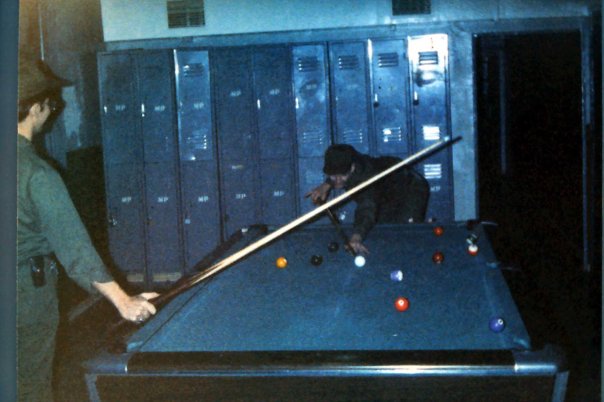
- Off duty time for Nike Hercules Missile Soldiers
- Reunion of the Mountain Men
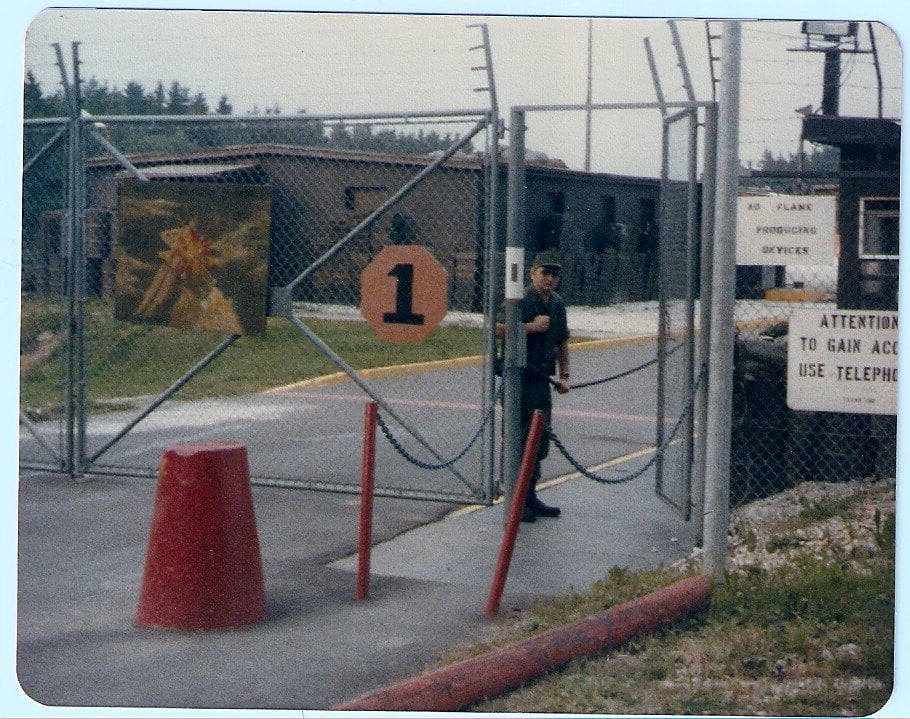
Tight security measures were necessary to protect this sensitive equipment. Soldiers working at the site had to have a secret clearance. They were also always supposed to follow the ‘two-man rule;’ no one was supposed to go anywhere on site without at least one other person accompanying them. Additionally, most Soldiers were not allowed to go into areas that they did not work in. Each Nike site had a group of twelve to fifteen military police who protected the site with their guard dogs. MPs and their dogs spent most of their time in the Missile Launch and Storage area where the missiles were surrounded with a two-fence perimeter: the outer, or limited area fence, and the inner, or exclusion zone, fence. The exclusion zone was the area where the missiles were stored and launched. The MPs would patrol the area between the two fences

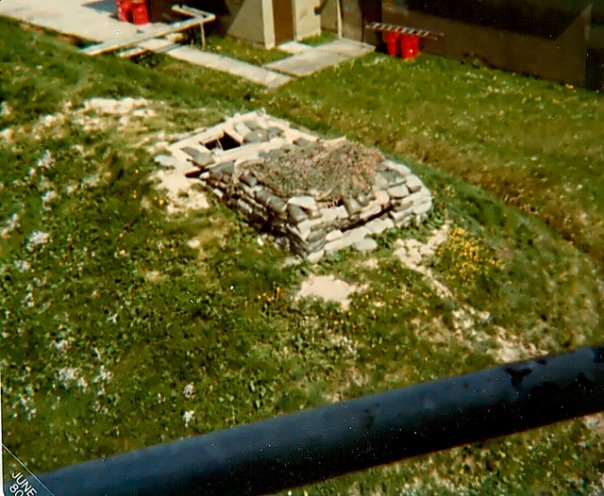
94th ADA Group, headquartered in Kaiserslautern for most of the Nike-Hercules period had four battalions as follows, with locations
2/1 ADA headquartered at Wiesbaden Air Base
– A Battery: Wackernheim
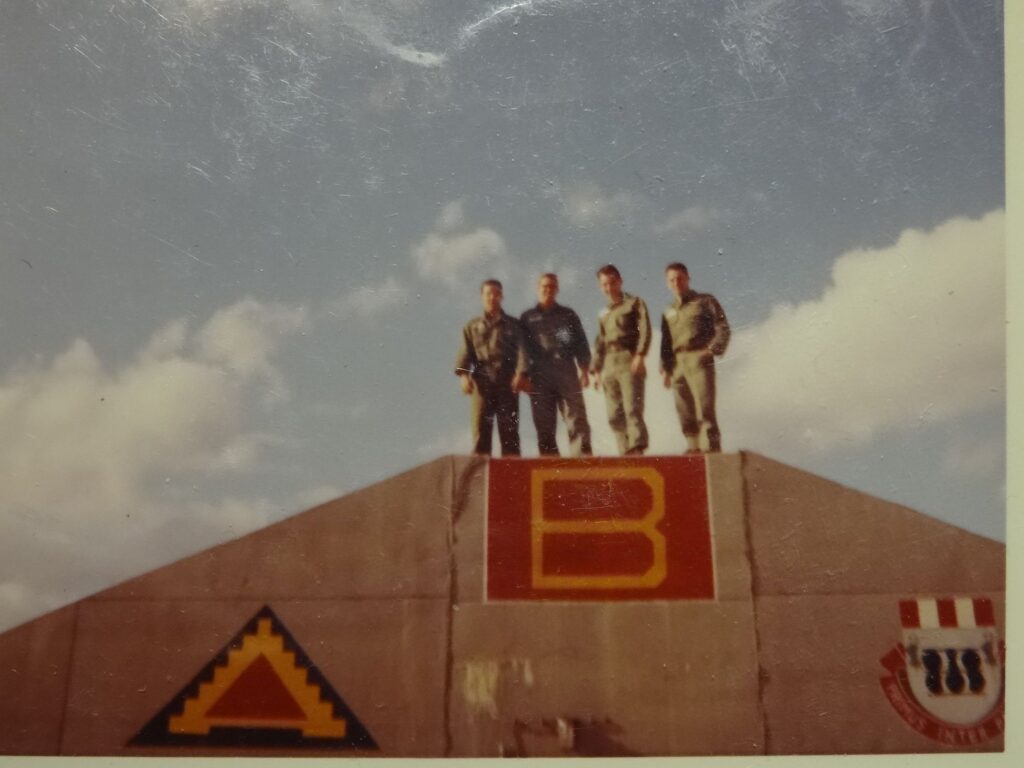
– B Battery: Dexheim
– C Battery: Quirnheim
– D Battery: Dichtelbach
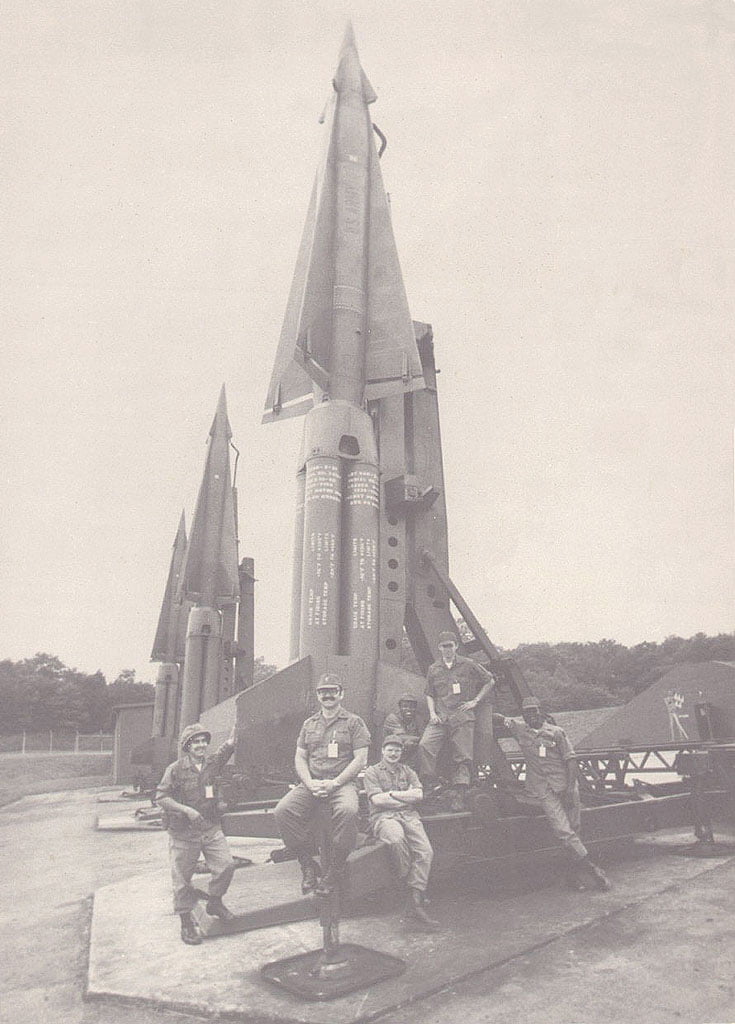
Charlie Sectrion.
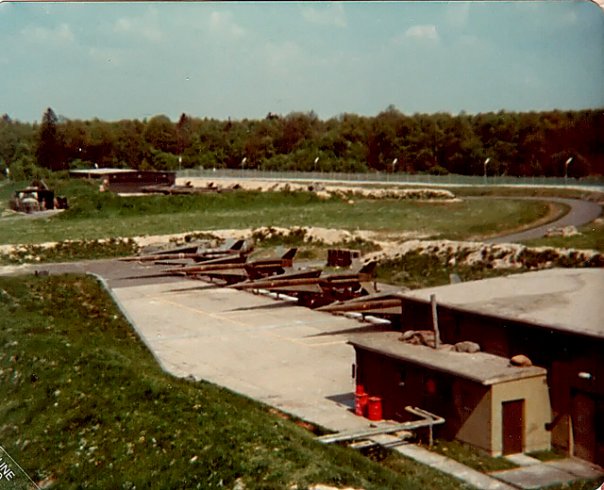
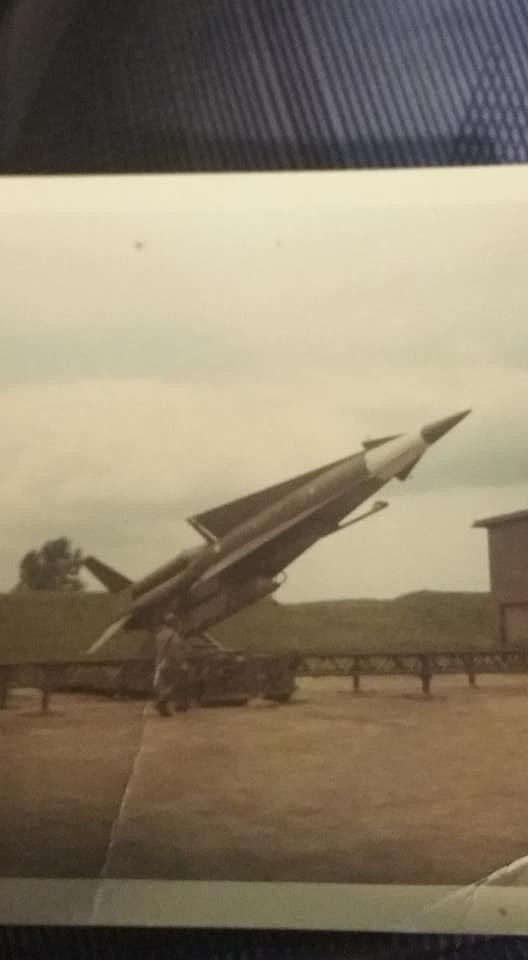
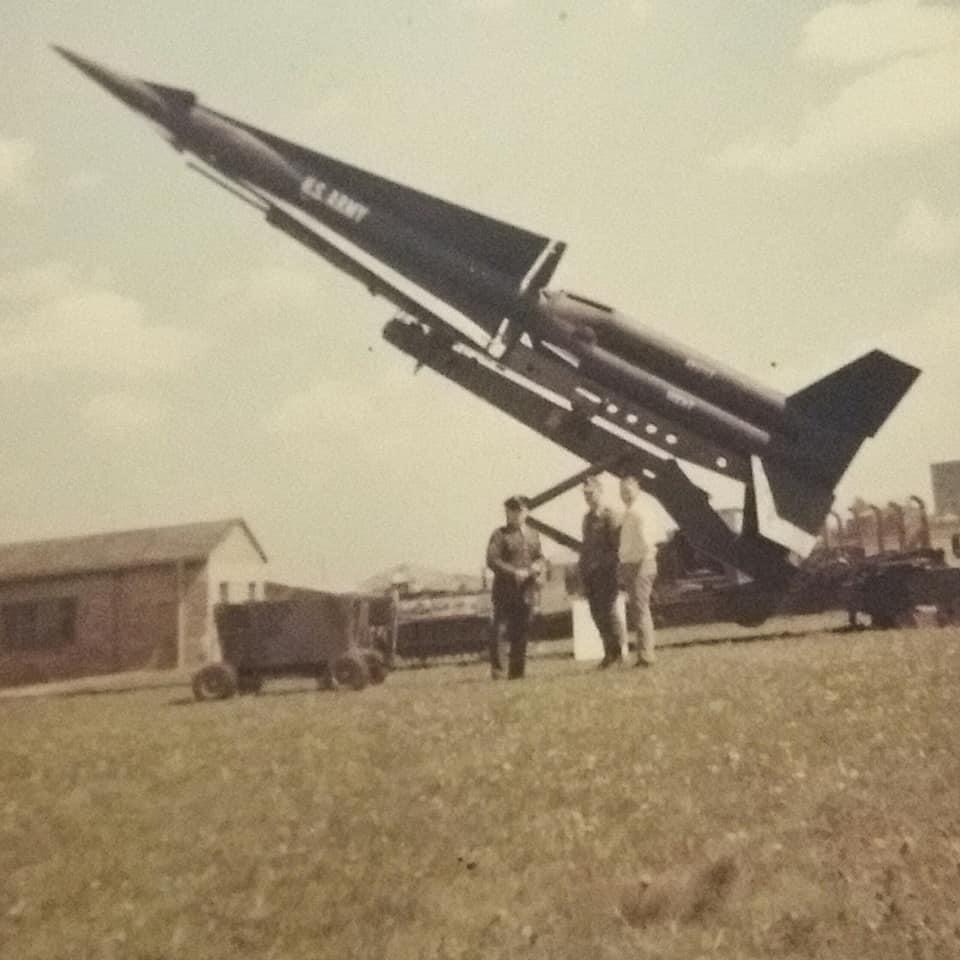
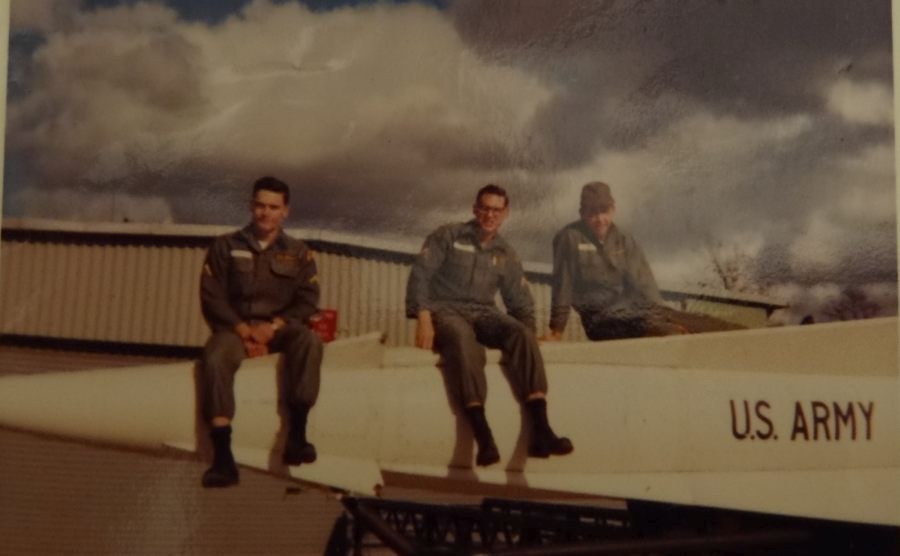
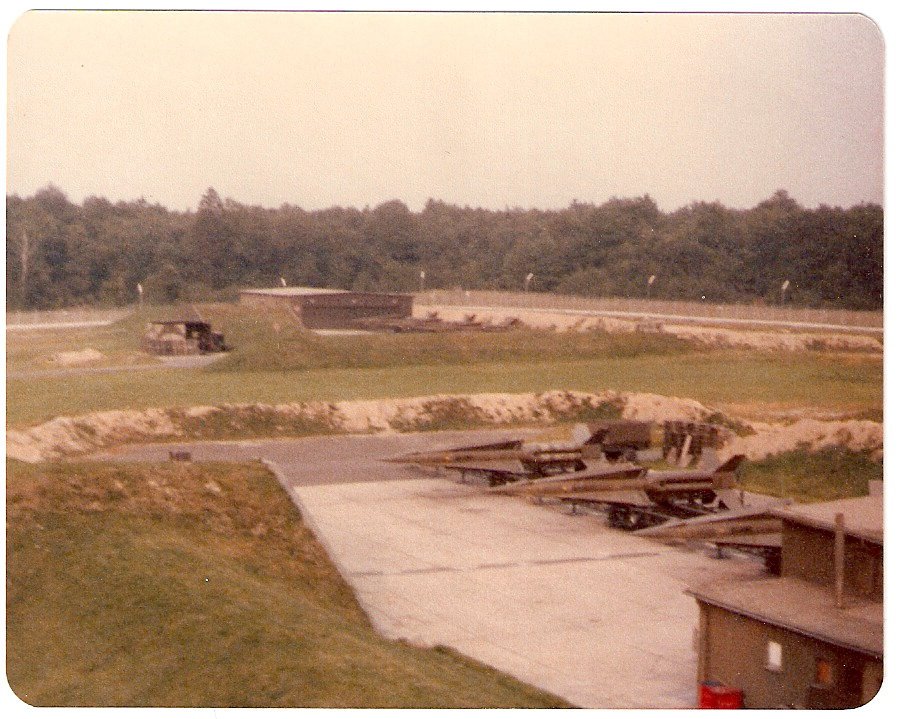
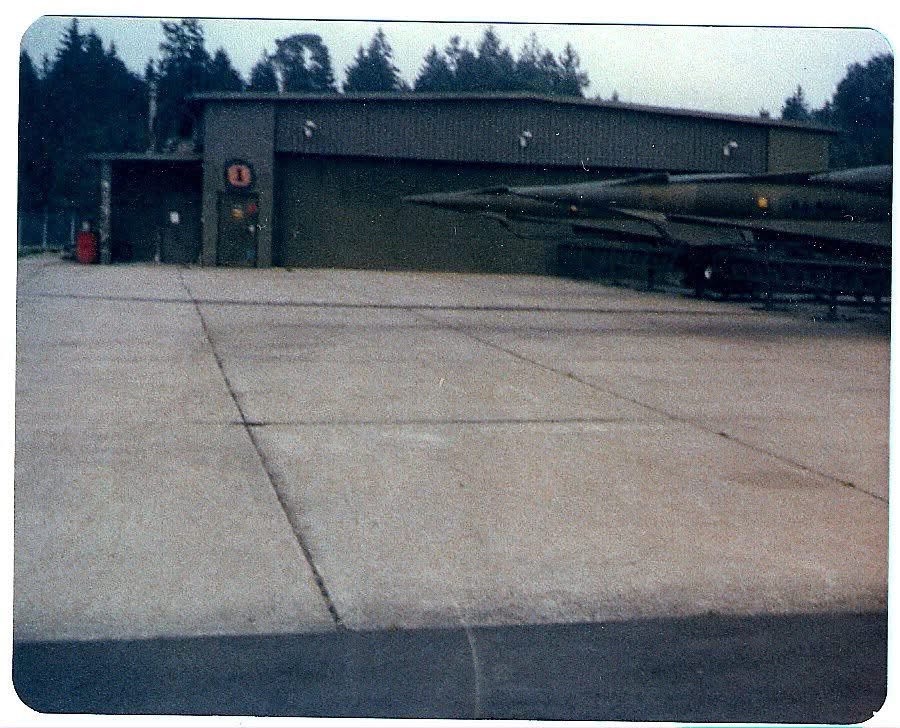
Nike Hercules Missile in the firing position
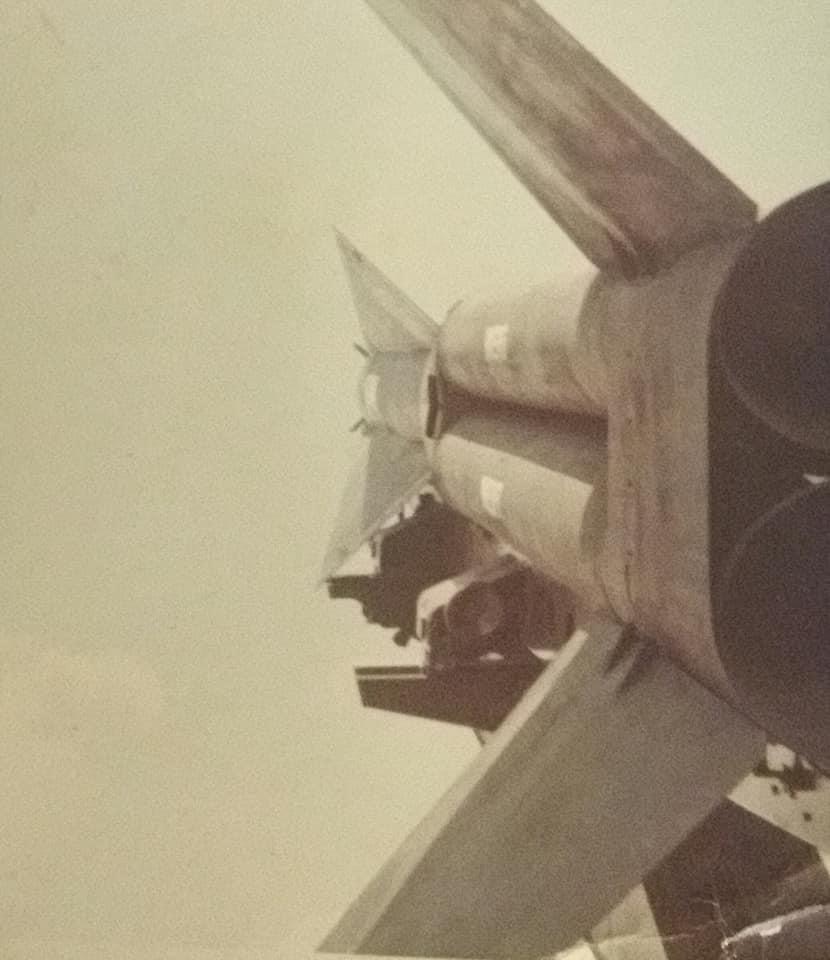
Nike Hercules (MIM-14). It improved speed, range and accuracy, and could intercept ballistic missiles. The Hercules had a range of about 100 miles (160 km), a top speed in excess of 3,000 mph (4,800 km/h) and a maximum altitude of around 150,000 ft (about 46 km)[3](30 km). It had solid fuel boost and sustainer rocket motors, with the boost phase consisting of four Nike Ajax boosters strapped together. In the 70’s some (foreign) users replaced the vacuum tube guidance circuits in the missile with more reliable solid-state components, but electron tube circuits were still used well into the 80’s.[4] The electron tube’s resistance to EMP effects over earlier non-EMP-hardened solid-state circuits played a major part in the retention of ‘obsolete’ technology until hardened solid-state circuits were developed.
.jpg)
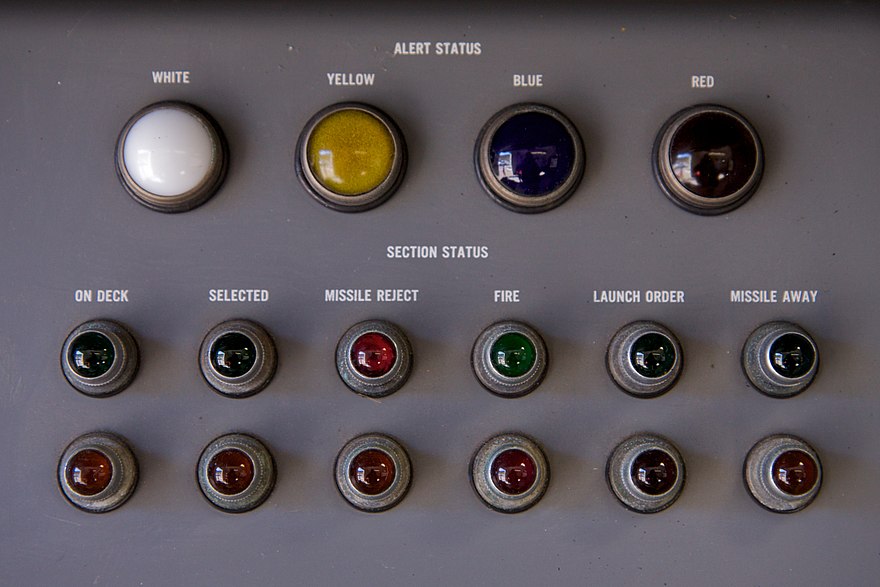
The missile also had an optional nuclear warhead to improve the ability to defend against mass formations. The W-31 warhead had four variants offering 2, 10, 20 and 30 kiloton yields. The 20 kt version was used in the Hercules system. At sites in the United States, the missile almost exclusively carried a nuclear warhead. Sites in foreign nations typically had a mix of high-explosive and nuclear warheads. The fire-control systemof the Nike system was also improved in the Hercules, and included a surface-to-surfacemode which was successfully tested in Alaska. Arming the missile, with concurrent choosing of the deployment mode, was accomplished by changing a single plug on the warhead from the “Safe Plug” to “Surface to Air” or “Surface to Surface” [4] and a range setting in the TRR.
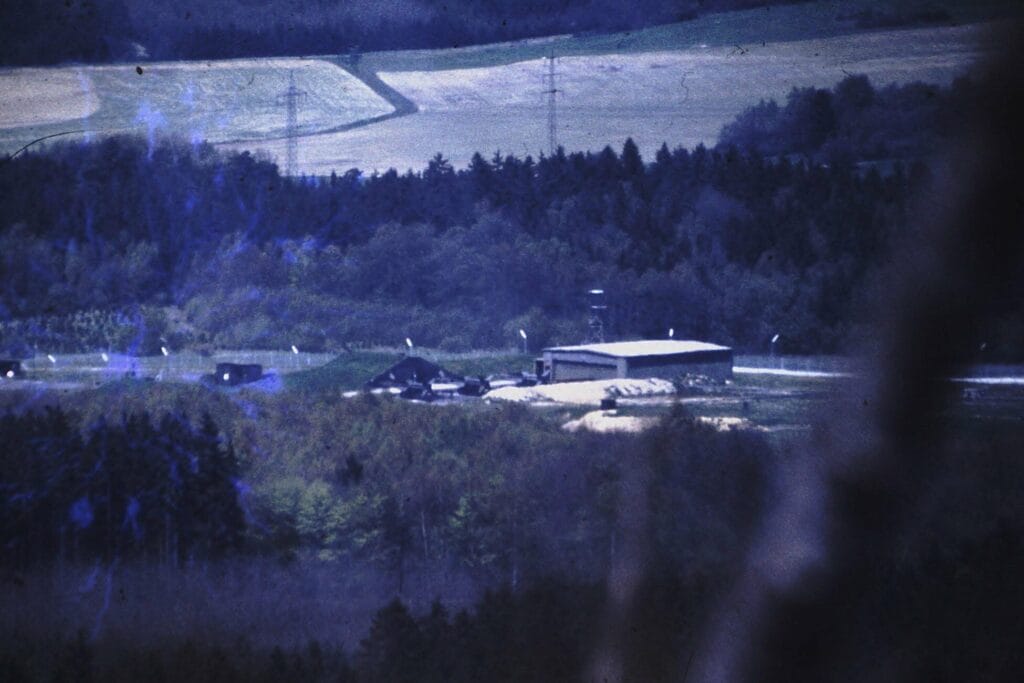
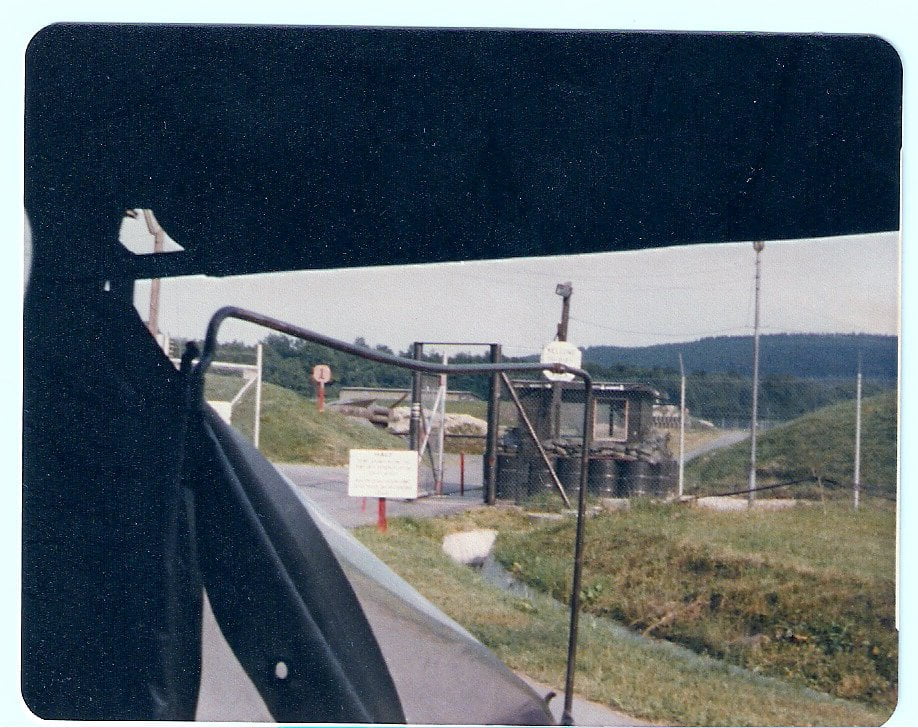
Post two and 3. A bage change was needed to enter the launch security area.
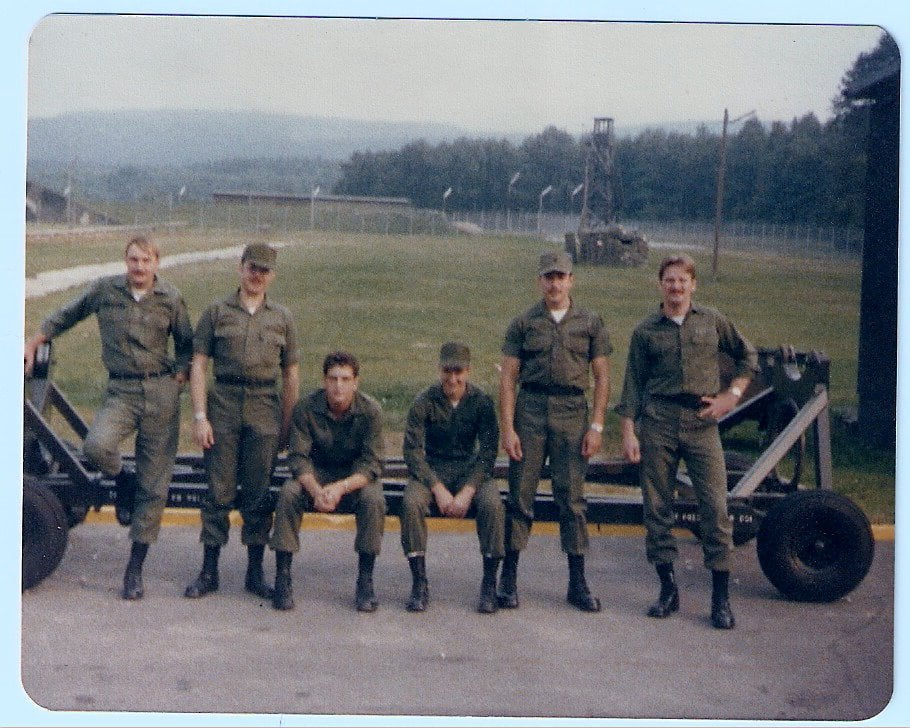
Summer of 1976 we were short of MPs to man the guard tower, so the Nike Hercules crew and needed to work in the sections and also man the guard towers while on 24 hour duty. The eight hour duty usually entailed working in a guard towers.
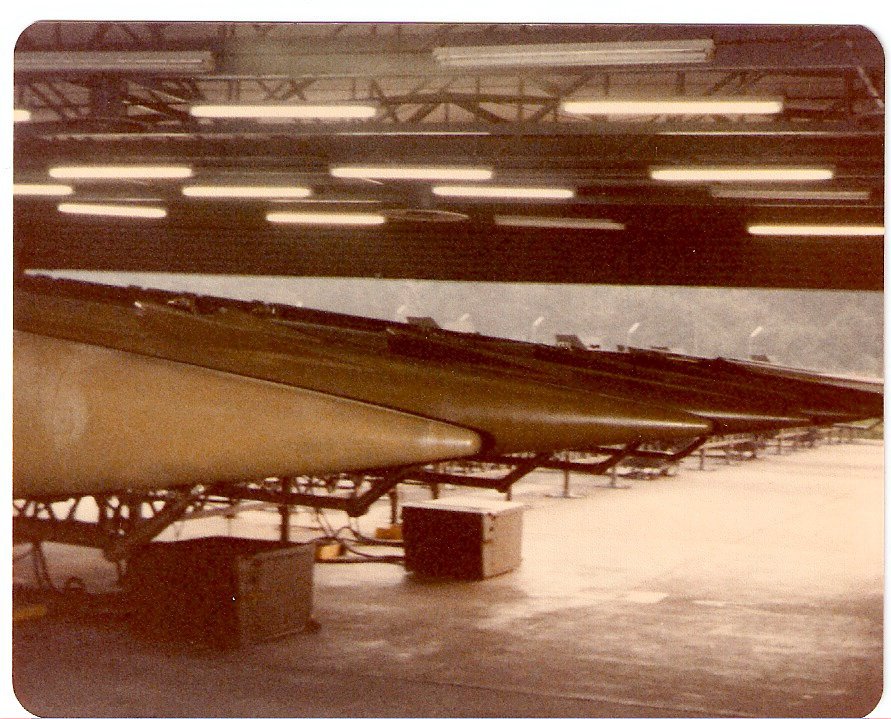
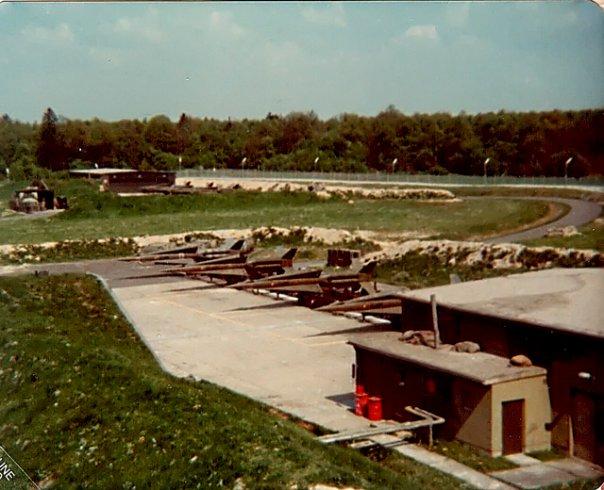
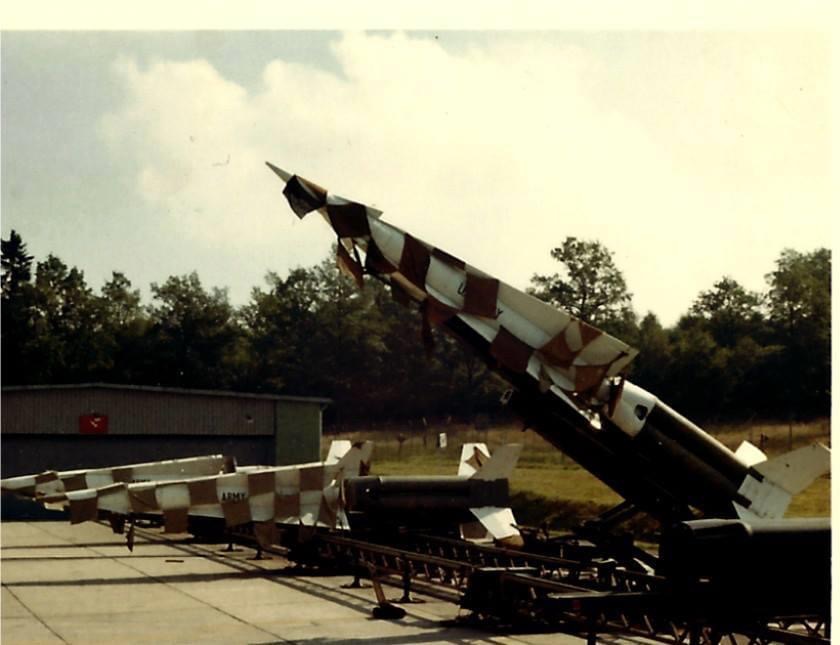
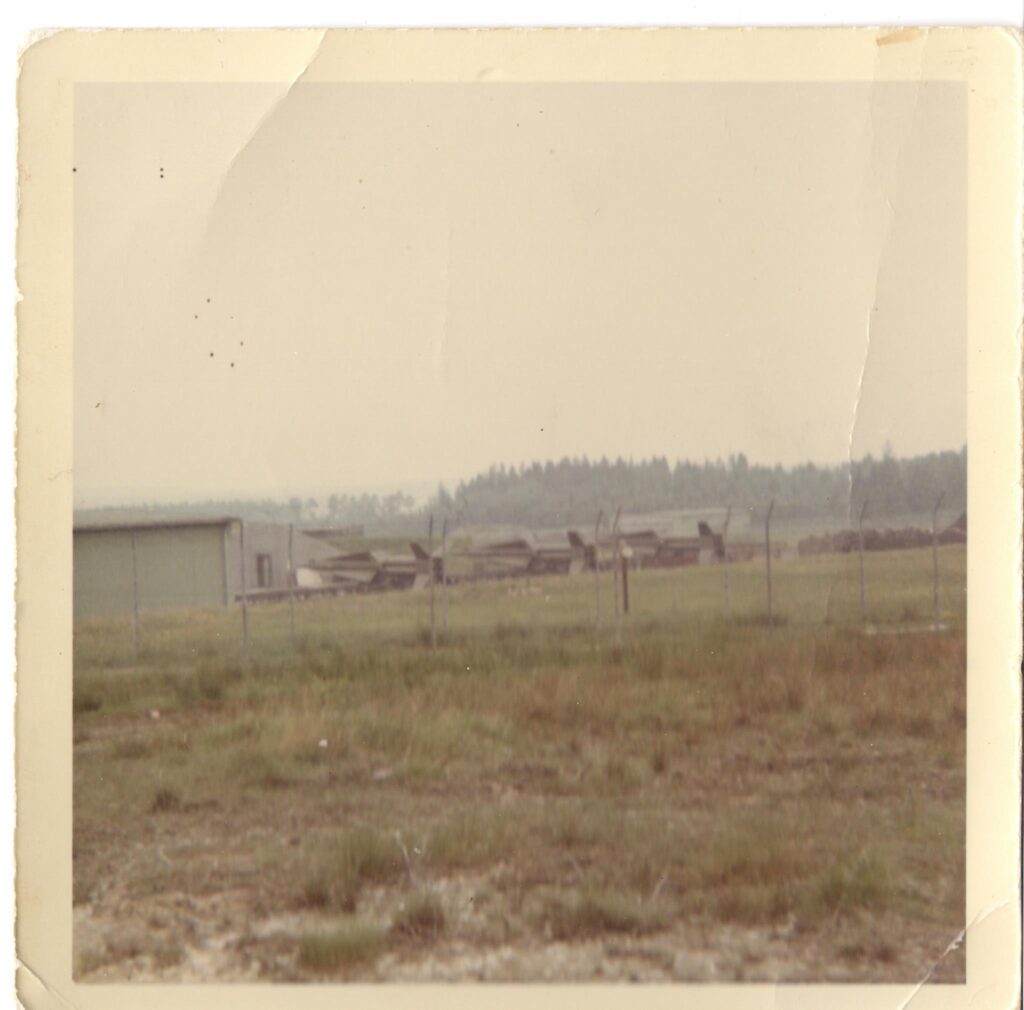
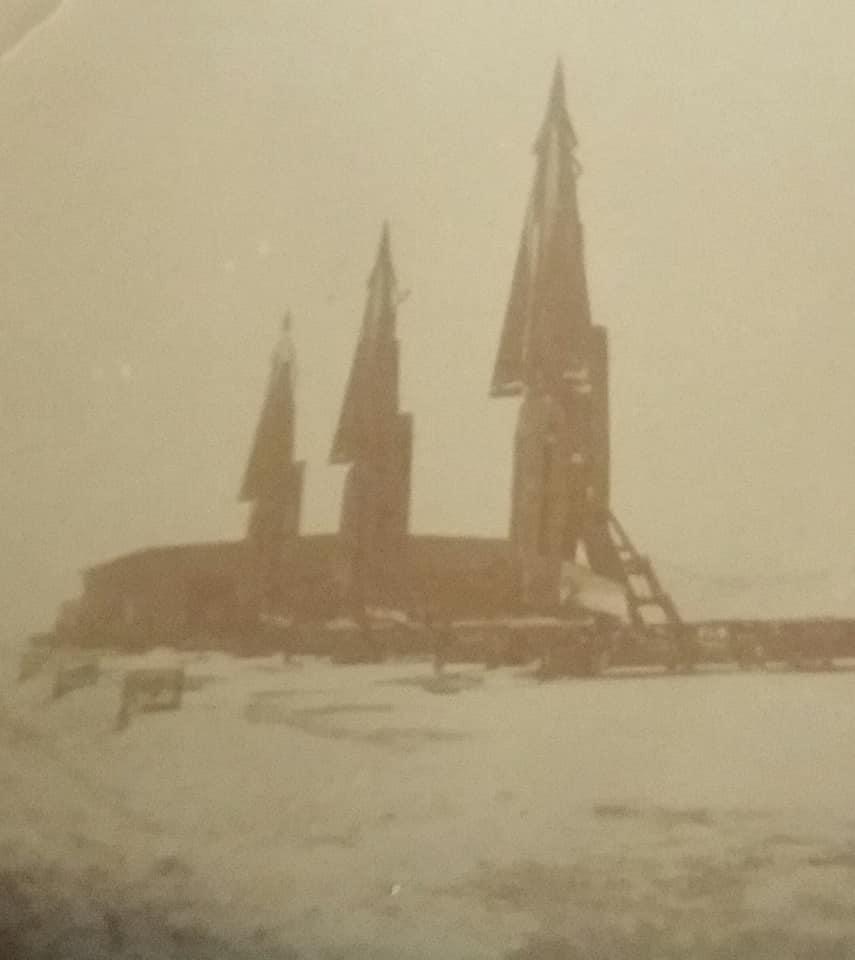
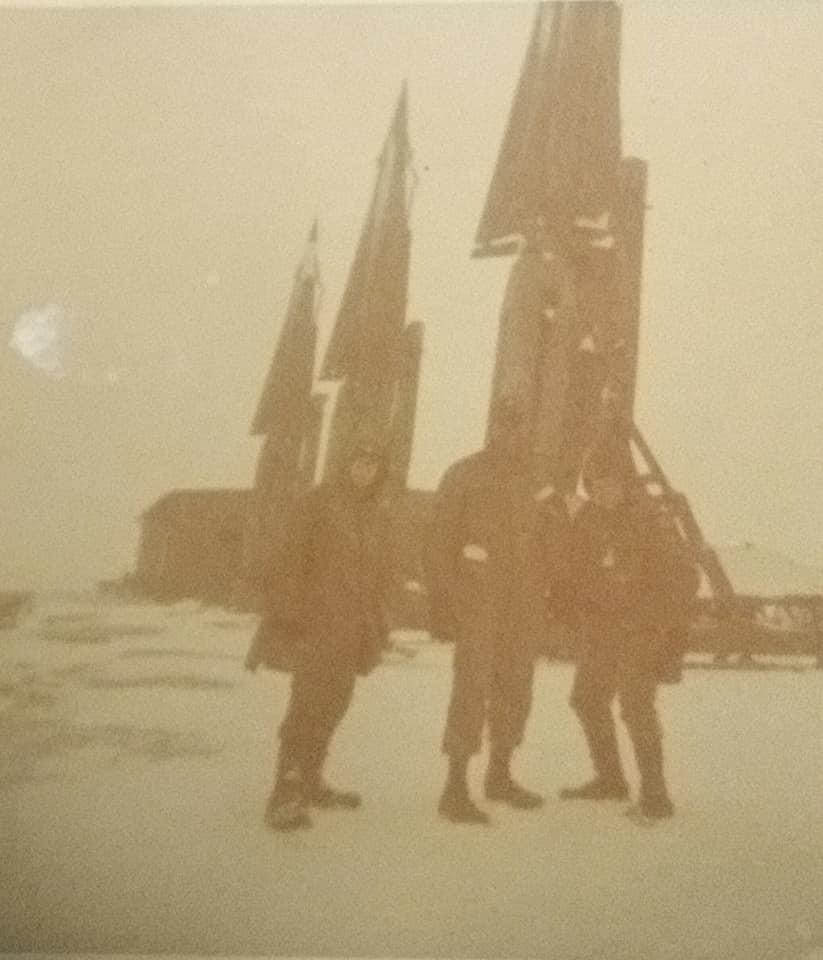
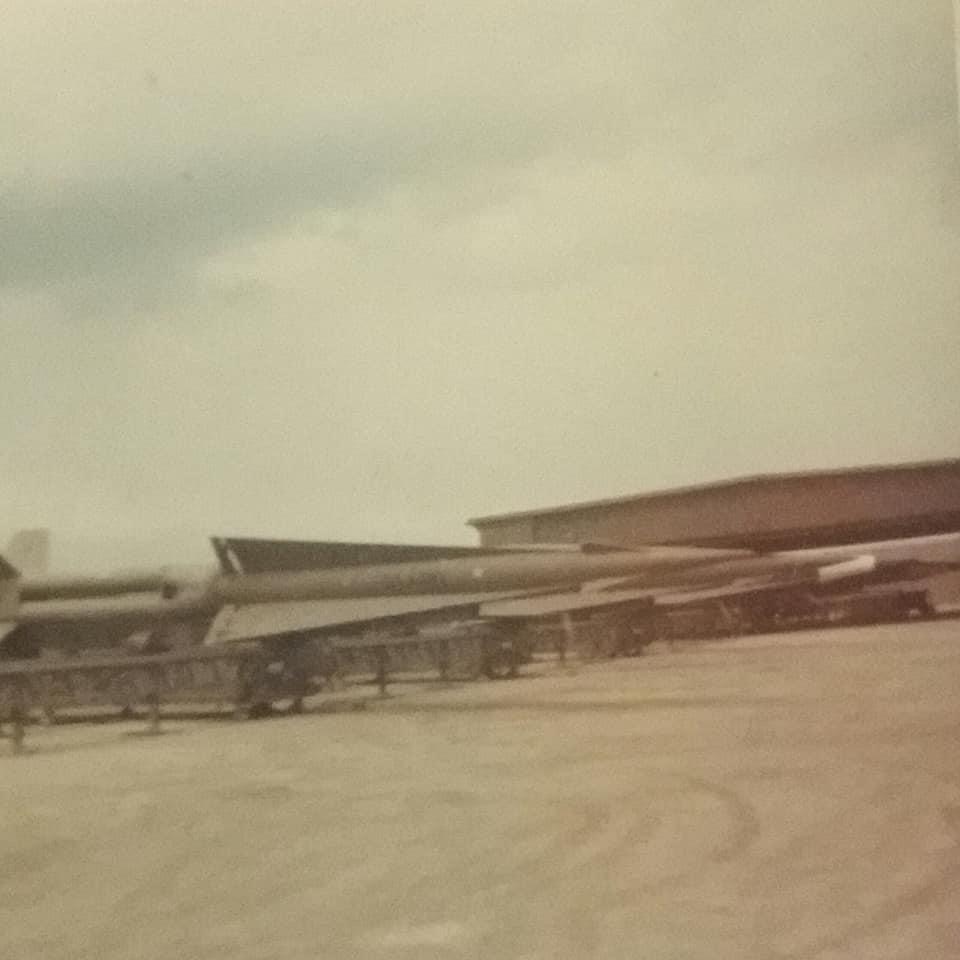
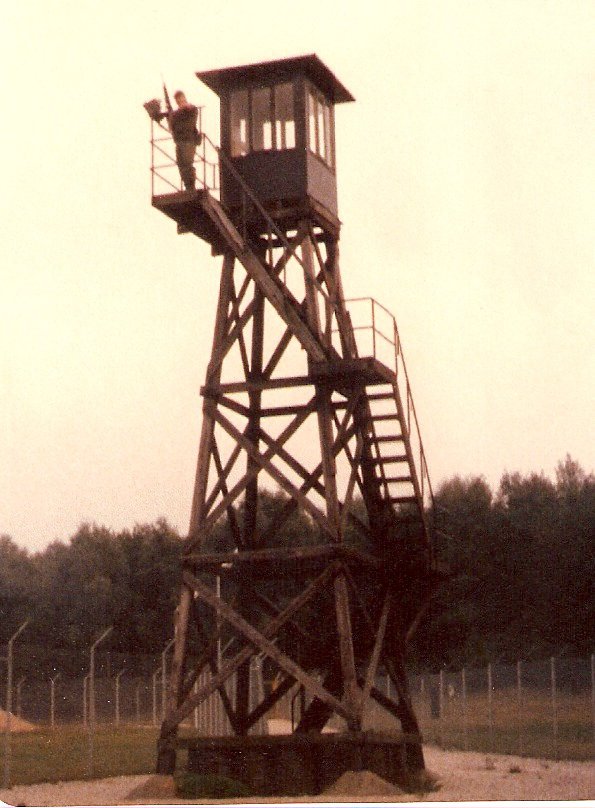
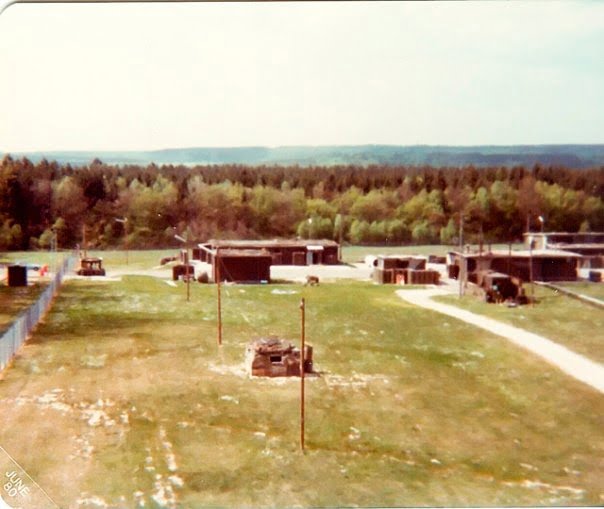
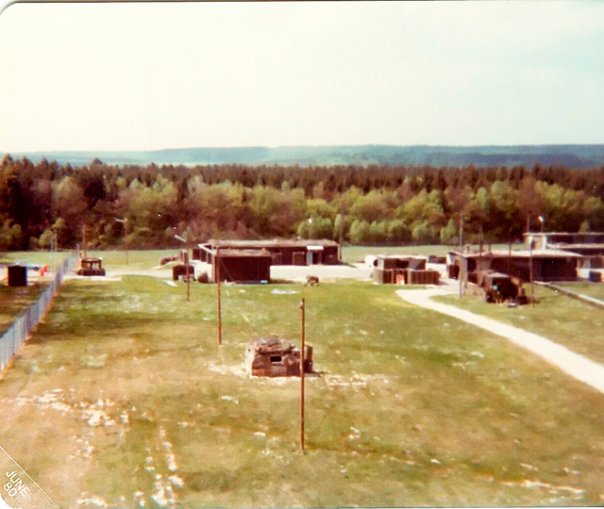
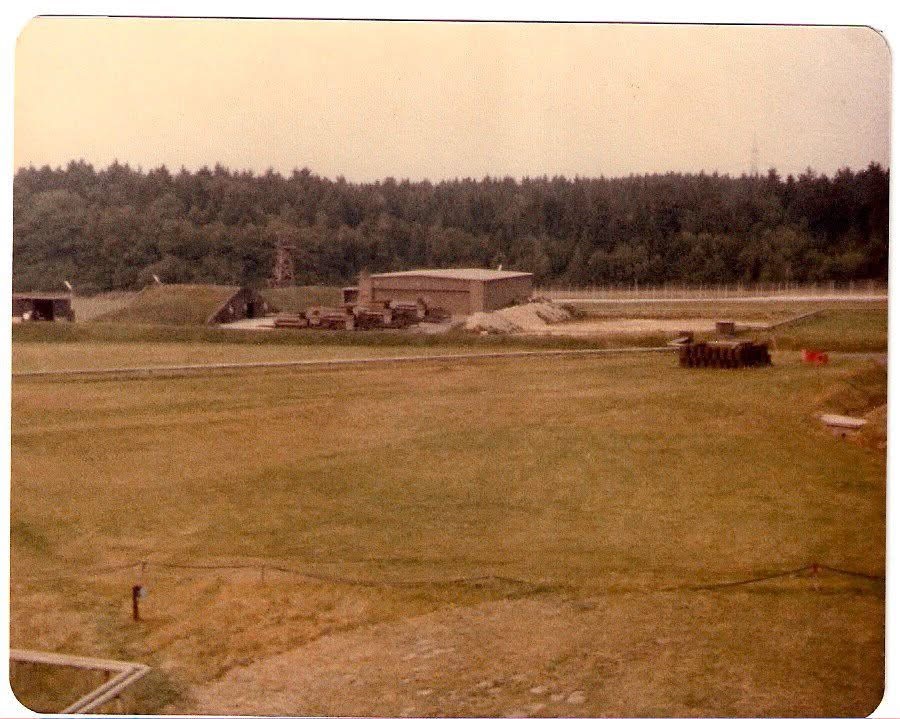
A view from tower 3 of the launcher area.
Nike Hercules was included in SALT I discussions as an ABM. Following the Anti-Ballistic Missile Treaty signed during 1972, and further budget reduction, almost all Nike sites in the continental United States were deactivated by April 1974. Some units remained active until the later part of that decade in a coastal air defense role.

Leave a Reply